
Research Skill Center Master the Methods. Advance Your Research.

Research Skill Center

Master the Methods. Advance Your Research.

Latest Articles

The Curriculum Gap: Critical Research Competencies Your Formal Training Left Out
Research Methodology

The Curriculum Gap: Critical Research Competencies Your Formal Training Left Out

Graduate programs and research methodology courses do an admirable job of teaching statistical analysis, literature review, and study design—but they rarely address the practical skills that determine whether research actually succeeds in the real world. From managing shifting stakeholder priorities to recovering gracefully when your original design collapses under fieldwork conditions, these overlooked competencies can define a researcher's career trajectory. This article maps the gap and offer

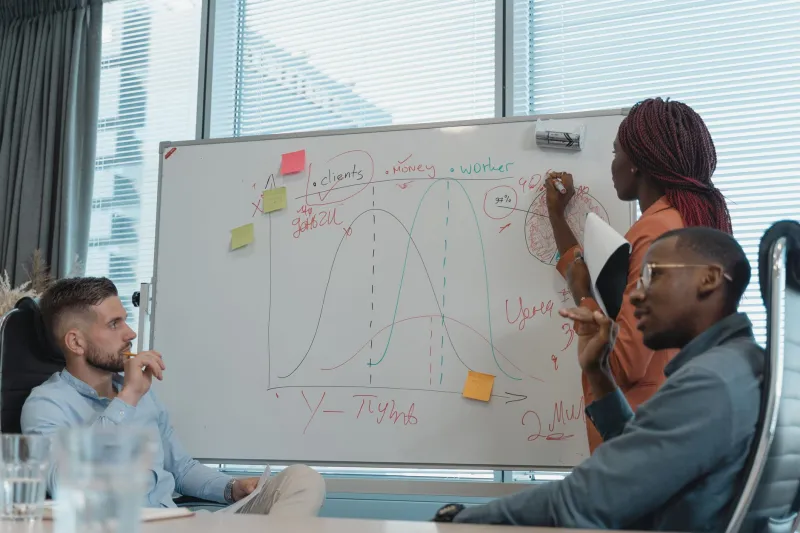
Trained to Fail: How Graduate Education Produces the Replication Crisis One Cohort at a Time
Research Quality & Integrity

Trained to Fail: How Graduate Education Produces the Replication Crisis One Cohort at a Time

The replication crisis is routinely framed as a problem of dishonest researchers, but the evidence points to something more systemic and more correctable: a training infrastructure that never taught researchers how to build reproducible work in the first place. This article examines the methodological blind spots embedded in doctoral education and makes the case for a curriculum built around prevention rather than policing.

Bridging the Methodological Divide: A Practical Framework for Researchers Collaborating Across Disciplines
Research Methodology

Bridging the Methodological Divide: A Practical Framework for Researchers Collaborating Across Disciplines

Cross-disciplinary collaboration promises richer insights and broader impact, but it consistently runs into a specific and underappreciated obstacle: researchers from different fields do not share a common language for methods, standards, or what constitutes credible evidence. This guide offers concrete frameworks for building teams that turn disciplinary difference into analytical strength.

Designing for Doubt: How Transparent Research Builds the Credibility That Certainty Cannot
Research Quality & Integrity

Designing for Doubt: How Transparent Research Builds the Credibility That Certainty Cannot

Public skepticism toward research findings has grown even as methodological standards have improved—a paradox that points to a failure of communication rather than a failure of science. This article offers a practical framework for building transparency into your study design from the outset, so that acknowledging limitations becomes a source of credibility rather than a liability.

One Mentor Is Never Enough: Building the Research Support Network Your Advisor Can't Provide
Research Methodology

One Mentor Is Never Enough: Building the Research Support Network Your Advisor Can't Provide

Academic advisors are indispensable, but the scope of what any single mentor can offer is structurally limited. This article examines why early-career researchers must deliberately construct a broader skill ecosystem—and offers a concrete strategy for doing so before gaps become setbacks.

When Research Teams Collide: Protecting Integrity Across Institutions, Disciplines, and Competing Priorities
Research Quality & Integrity

When Research Teams Collide: Protecting Integrity Across Institutions, Disciplines, and Competing Priorities

Collaborative research across institutions and disciplines offers significant advantages, but it also introduces integrity risks that conventional training rarely prepares researchers to manage. This article examines the structural tensions inherent in multi-team projects and offers concrete strategies for maintaining methodological consistency and transparency when agendas diverge.

Before You Scale Up: The Case for Pilot Studies and a Practical Framework for Running Them Well
Research Methodology

Before You Scale Up: The Case for Pilot Studies and a Practical Framework for Running Them Well

Skipping a pilot study may feel like saving time, but it frequently costs far more in the end. This article makes the case for integrating pilot work into your research design and offers a structured approach for conducting one efficiently—without delaying your larger project.

More Data, More Problems: Rethinking the Assumption That Scale Equals Rigor
Research Methodology

More Data, More Problems: Rethinking the Assumption That Scale Equals Rigor

The rise of big data has reshaped how researchers approach study design—but larger datasets do not automatically produce more reliable answers. This article examines the methodological pitfalls of scale-first thinking and offers practical guidance for matching data volume to the demands of your specific research question.

Rigorous but Invisible: Why Excellent Research Fails to Travel and What You Can Do About It
Research Quality & Integrity

Rigorous but Invisible: Why Excellent Research Fails to Travel and What You Can Do About It

Methodological rigor is a necessary condition for credible research, but it is not sufficient to ensure that findings reach the audiences who need them most. This article examines the structural and behavioral barriers that keep important work confined to academic databases—and outlines concrete strategies researchers can use to extend their reach without compromising scholarly standards.

The Number That Misleads: Moving Past P-Values to Communicate Research That Actually Matters
Research Quality & Integrity

The Number That Misleads: Moving Past P-Values to Communicate Research That Actually Matters

A statistically significant result is not the same as a meaningful one—yet the p-value has dominated scientific reporting for decades, often at the expense of genuine understanding. This article examines why over-reliance on significance thresholds distorts research communication, and how effect sizes and confidence intervals can give your findings the context they deserve.

Collecting Less, Understanding More: A Researcher's Guide to Purposeful Study Design
Research Methodology

Collecting Less, Understanding More: A Researcher's Guide to Purposeful Study Design

Many early-career researchers fall into the trap of gathering mountains of data only to find themselves buried beneath it. This guide walks through the foundational principles of intentional study design—from variable selection and sample size calculation to the discipline of pre-registration—so that every data point you collect serves a clear purpose.

Beyond the First Page of Results: How to Build a Literature Review That Misses Nothing
Research Methodology

Beyond the First Page of Results: How to Build a Literature Review That Misses Nothing

Most researchers believe they have conducted a thorough literature review—yet studies consistently show that even experienced academics overlook foundational papers that directly shape their field. This guide walks through a structured, systematic approach to literature searching that moves well beyond keyword guessing and database defaults, equipping researchers with the tools to construct genuinely exhaustive evidence maps.

7 Checkpoints That Will Strengthen the Reproducibility of Your Research—Starting Today
Research Quality & Integrity

7 Checkpoints That Will Strengthen the Reproducibility of Your Research—Starting Today

The reproducibility crisis is no longer an abstract concern for science policy committees—it is a practical challenge that affects how individual researchers design studies, manage data, and report findings. This article outlines seven concrete methodology checkpoints, drawn from documented lab improvement cases and current reporting standards, that researchers at every career stage can implement to make their work more reliable, transparent, and credible.